Landing
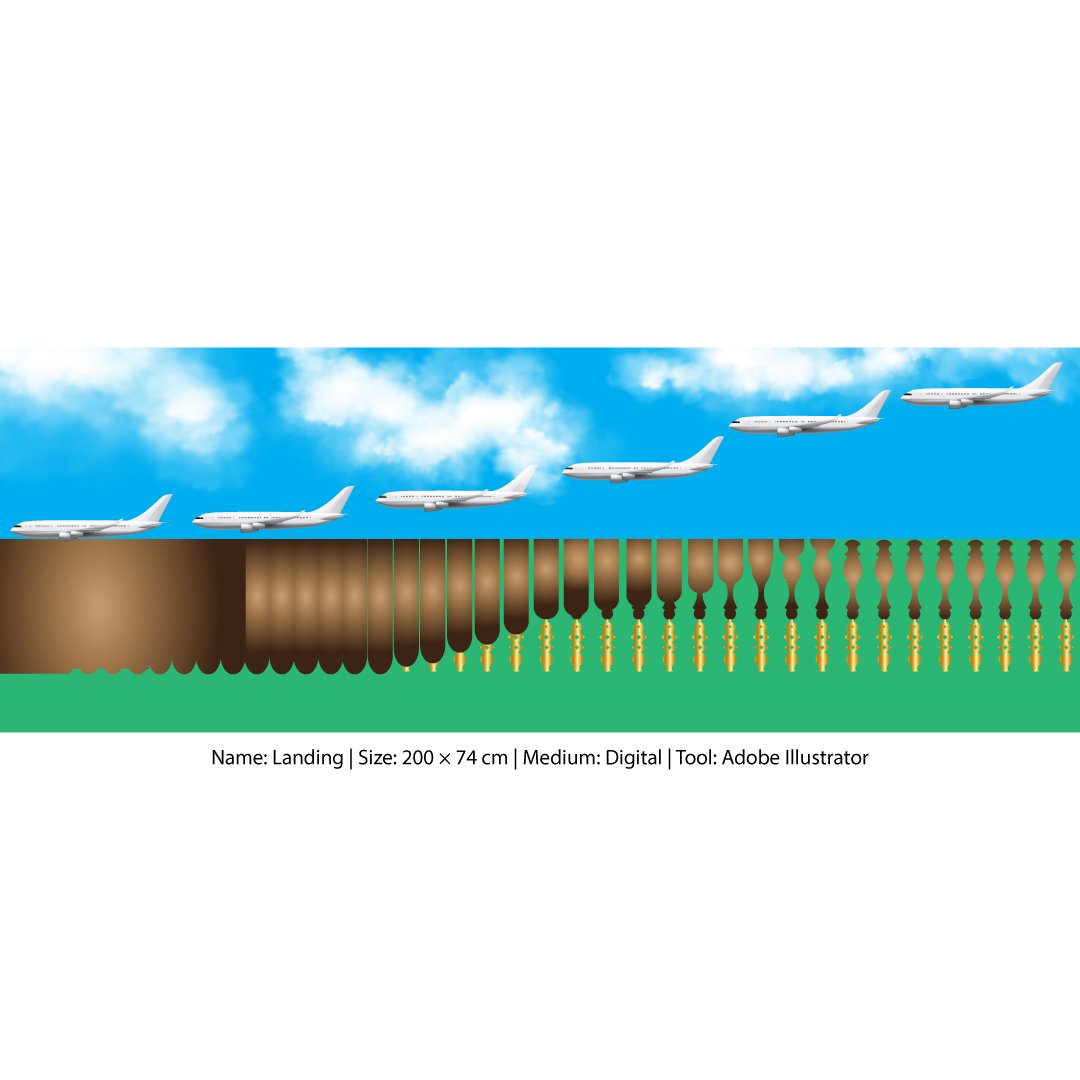
The architectural history of the Malabar Mappila mosque is fundamentally a narrative of wood turning into concrete, and of a local identity dissolving into a global one. For centuries, the mosques of Kerala—epitomized by the Mishkal Mosque in Kuttichira or the original Cheraman Juma Masjid—were indistinguishable from the region’s temples and grand homesteads. Built by local artisans, they mirrored the tiered, sloping roofs of the indigenous landscape, designed to breathe through the humidity and withstand the heavy monsoon rains. These were spaces of deep ornamentation, where intricate wood carvings, floral motifs, and warm, shadowy interiors reflected a syncretic faith that was comfortable in its local cultural skin.
However, the 1980s marked a decisive rupture in this tradition, triggered by the massive wave of migration to the Persian Gulf. As wealth flowed back from Saudi Arabia and the UAE, it carried with it a new theological rigor that challenged the "old ways." The exposure to "Gulf Islam"—often heavily influenced by Salafi ideals—introduced a desire to purify the faith of indigenous accretions. The traditional, decorative style, with its temple-like silhouettes and elaborate craftsmanship, was increasingly viewed as "culturally impure" or an unnecessary innovation (Bid'ah) that needed to be corrected.
Consequently, the architecture underwent a drastic metamorphosis from the decorative to the minimal. The new mosques rejected the local timber heritage to adopt the visual codes of the Middle East: ferro-cement structures, large central domes, and unadorned white walls. This shift to minimalism was not merely a stylistic evolution but a theological statement, prioritizing a standardized, global Islamic identity over the unique, historically rich heritage of the Mappila community. The result is a built environment where the warm, artistic spirit of the vernacular is being replaced by a functional, uniform silence, effectively erasing the visual history of how Islam once adapted to the Malabar coast.
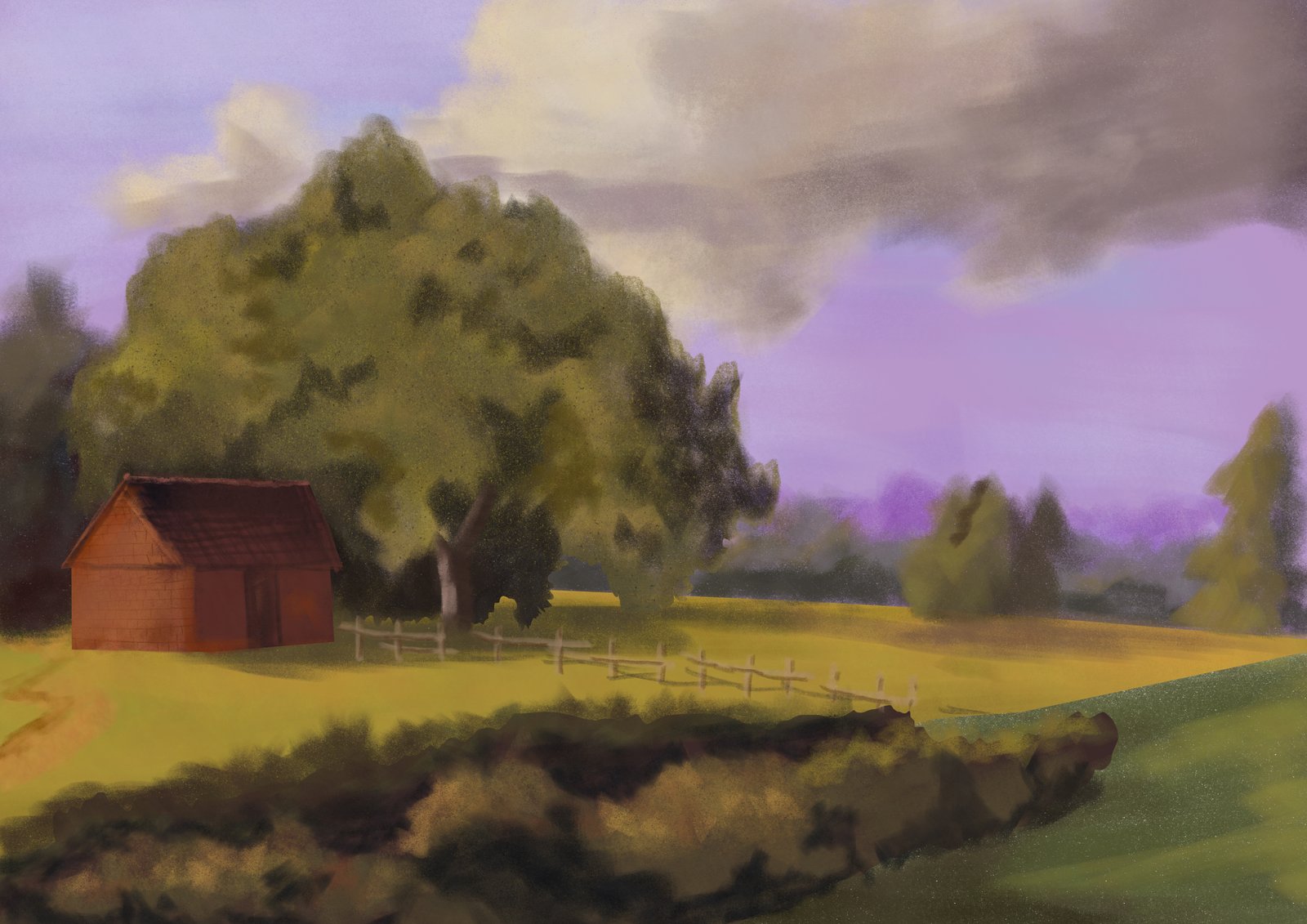
Sufi Mysticism & Visual Form IX
Illustration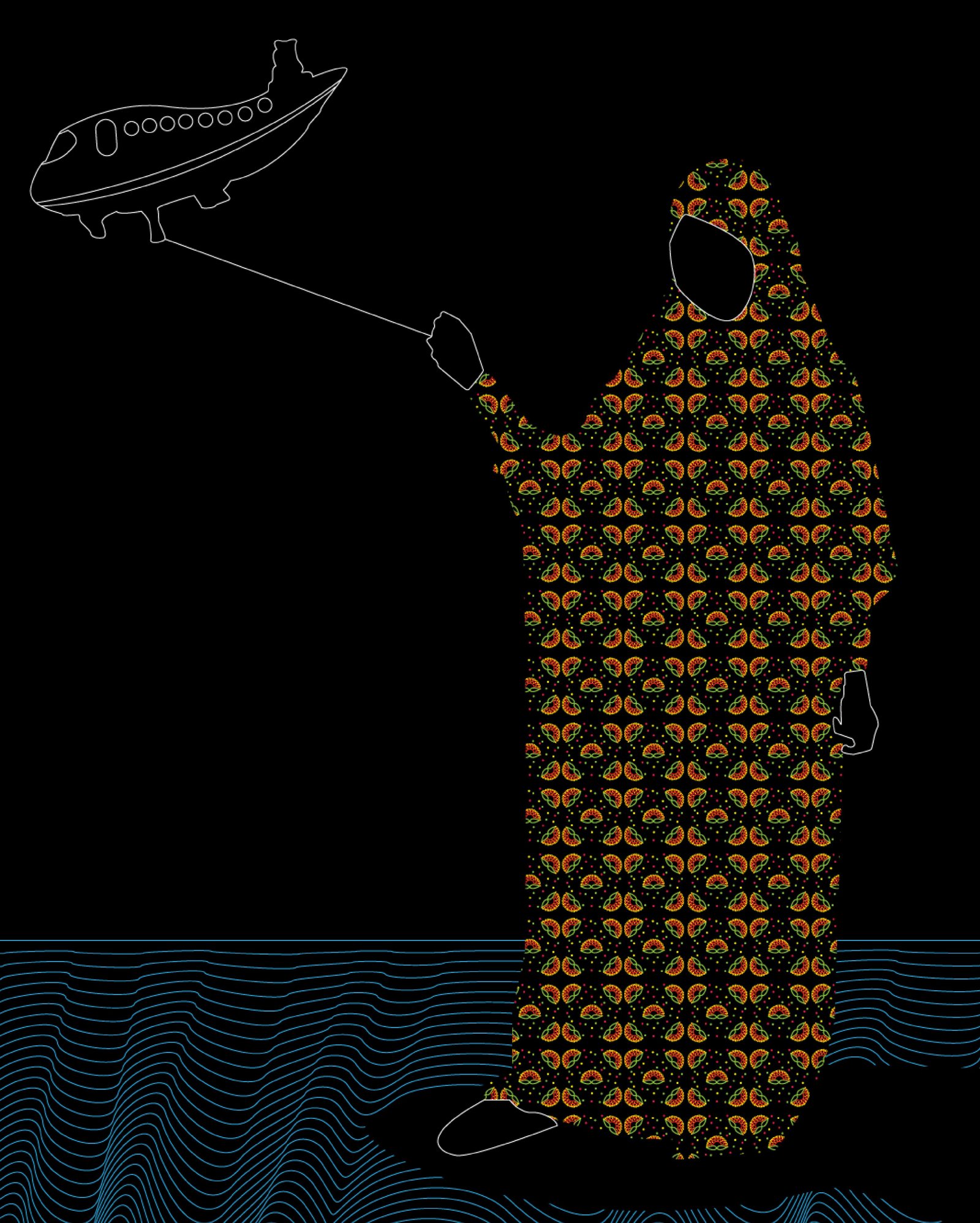
Lama'an (Glow)
Malabar Mappila Gulf Culture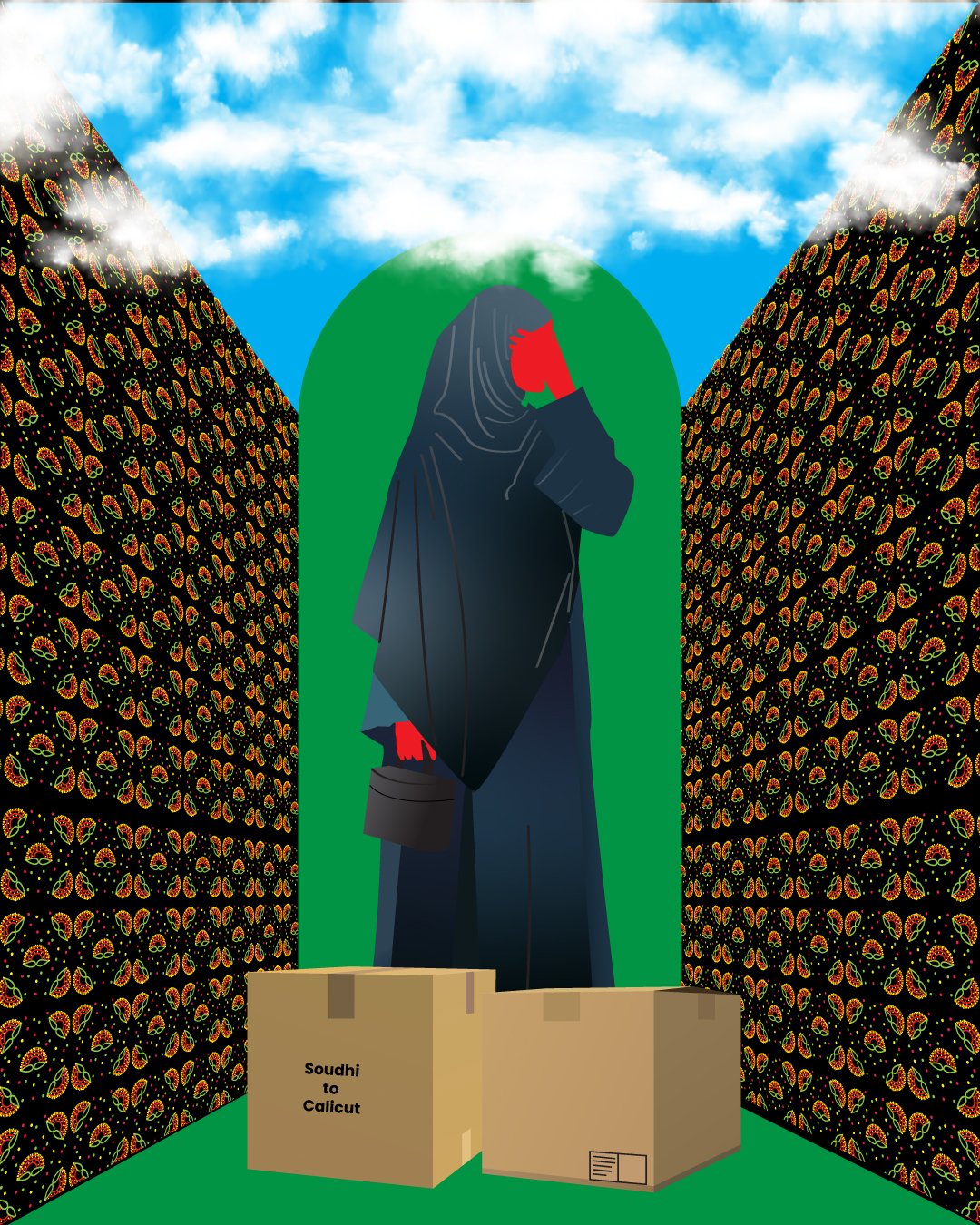
Lamaan
Malabar Mappila Gulf Culture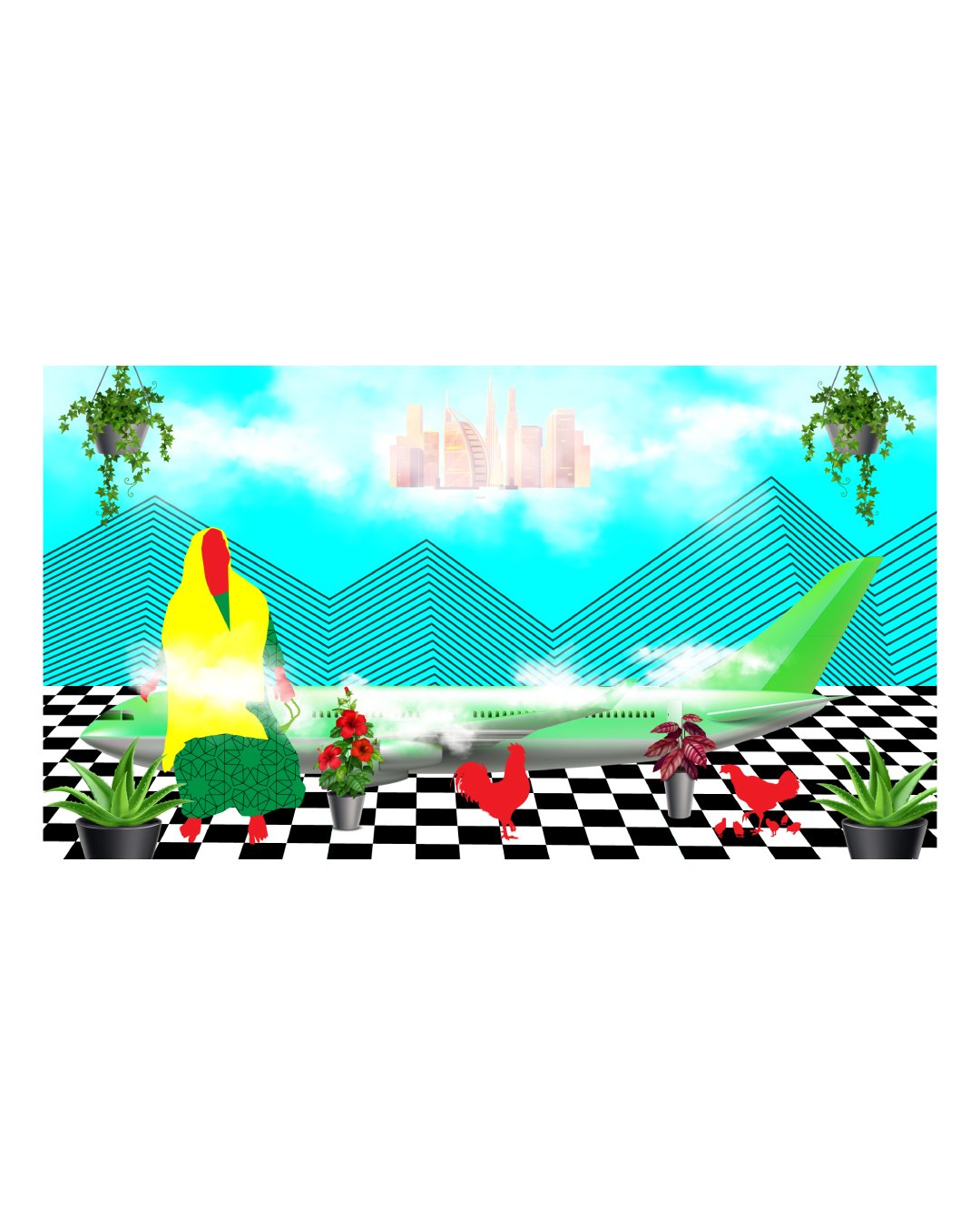
MAMAS – Dubai
Malabar Mappila Gulf Culture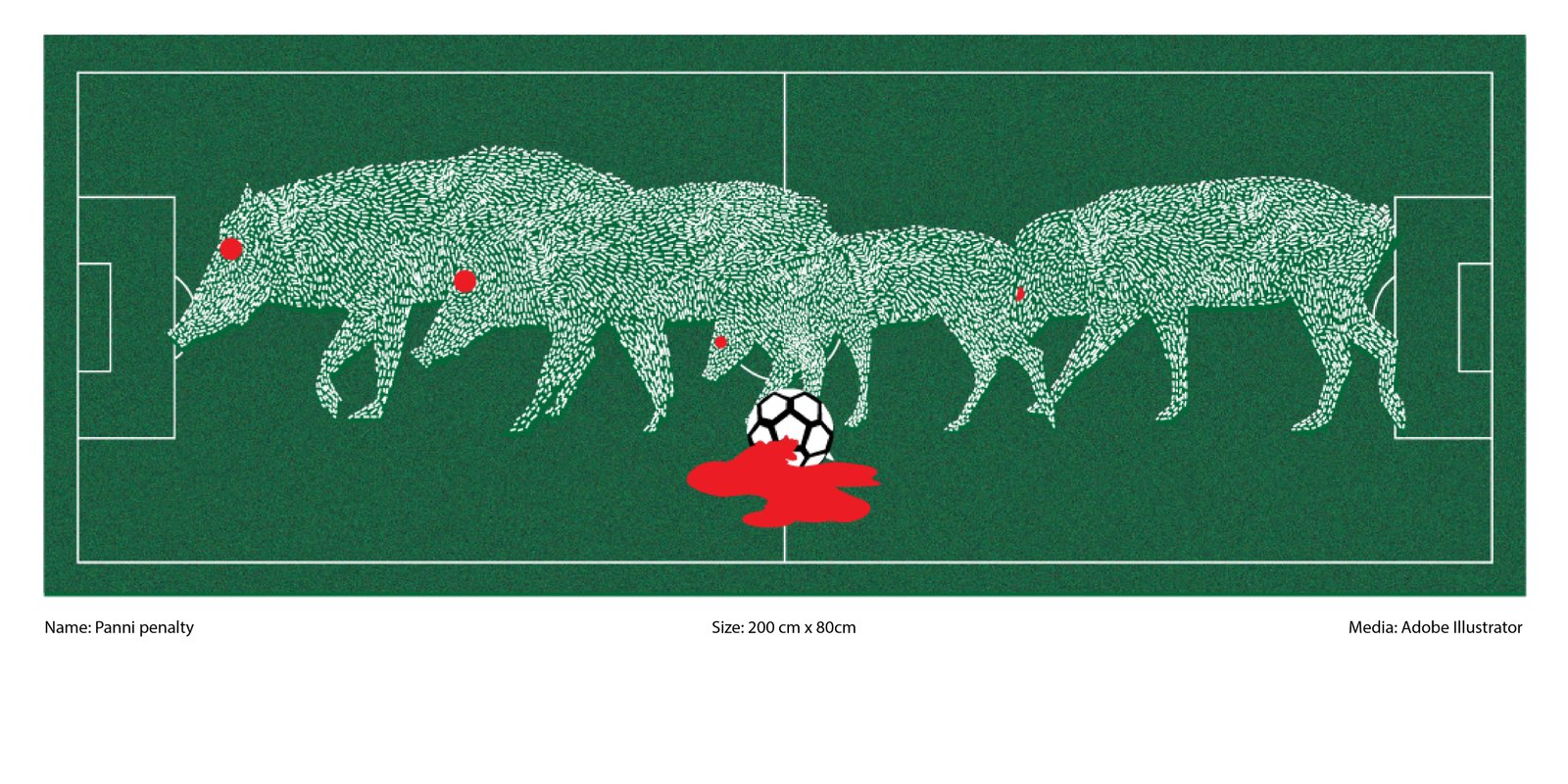
Panni Penalty
Soofi Mystic Surreal Representation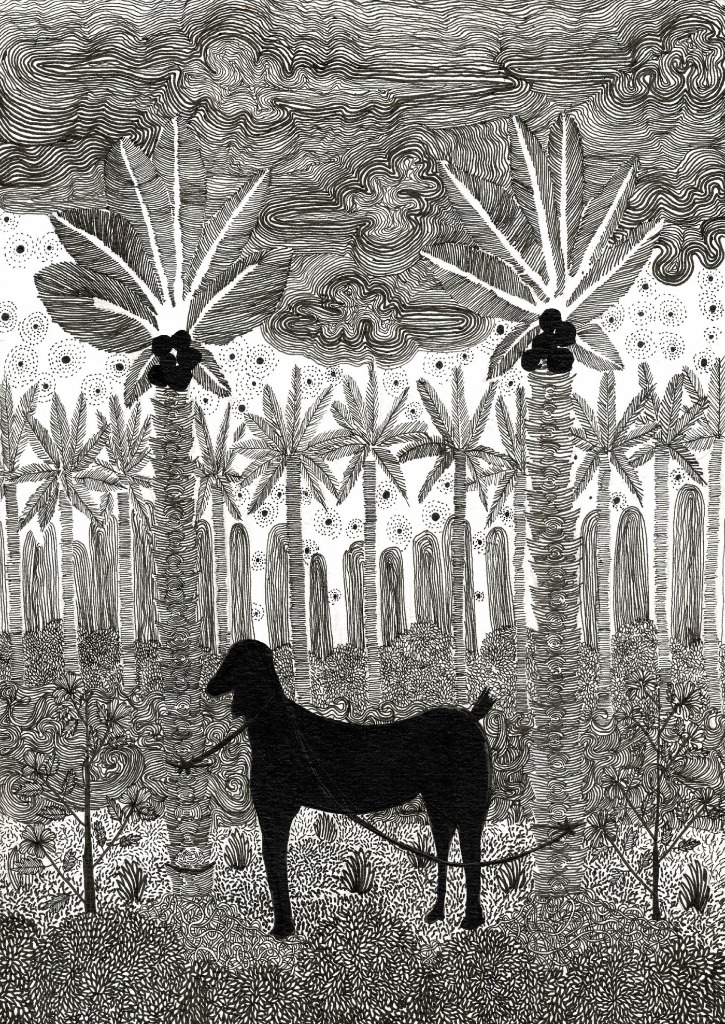
mixed media ink,charcoal, Photoshop,)
ART
Contemporary Visual Pedagogy VII
Illustration
Cultural Memory & Migration VI
Illustration
Digital Composition III
Illustration
Editorial Poster Series IV
Illustration & Editorial.jpg)
Malabar Cultural Identity Studies
Illustration & Cultural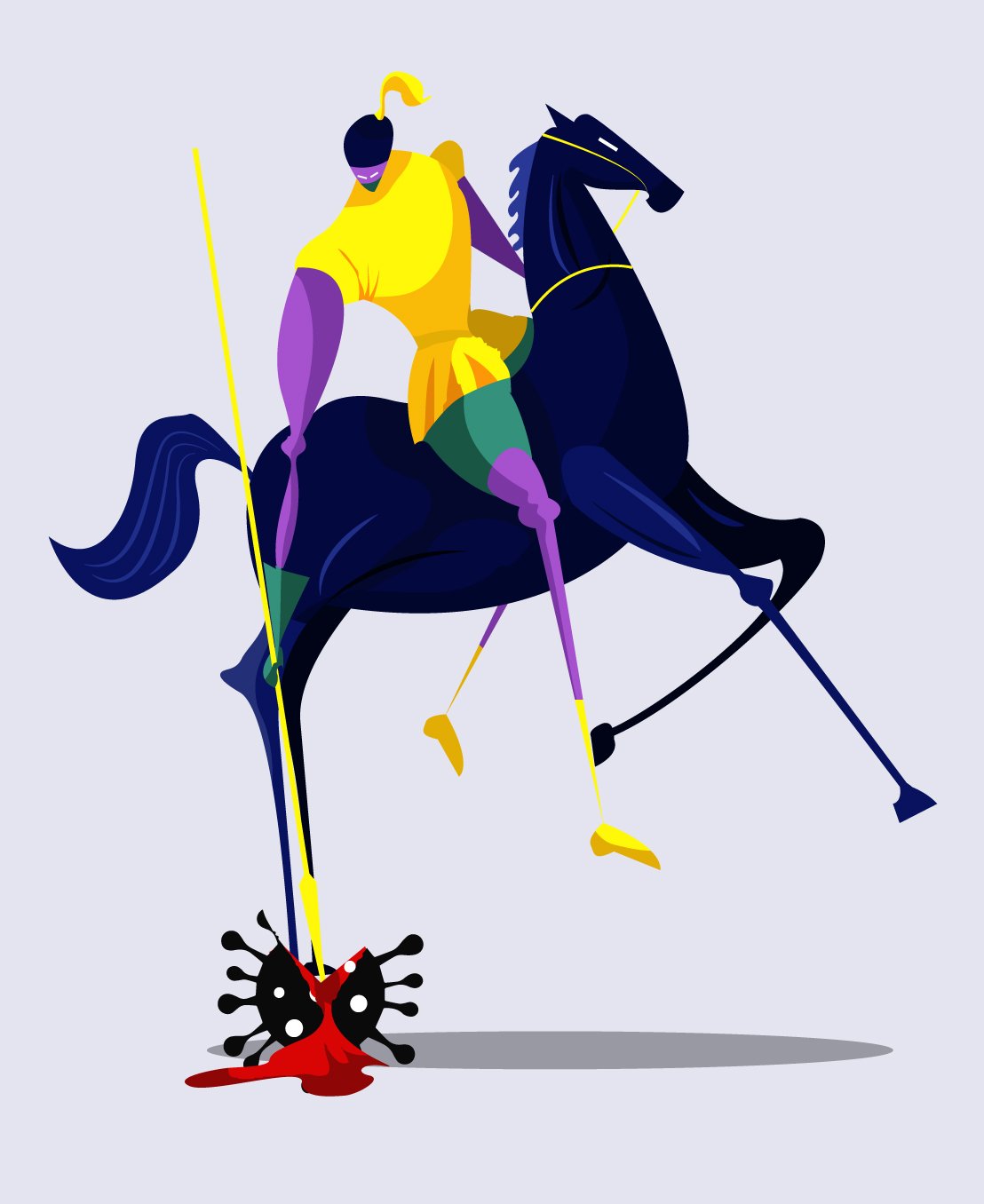
Minimalist Brand Visual System
Illustration & Branding
Mystic Form & Spatial Voids II
Illustration.jpg)
Poetic Visual Narration I
Illustration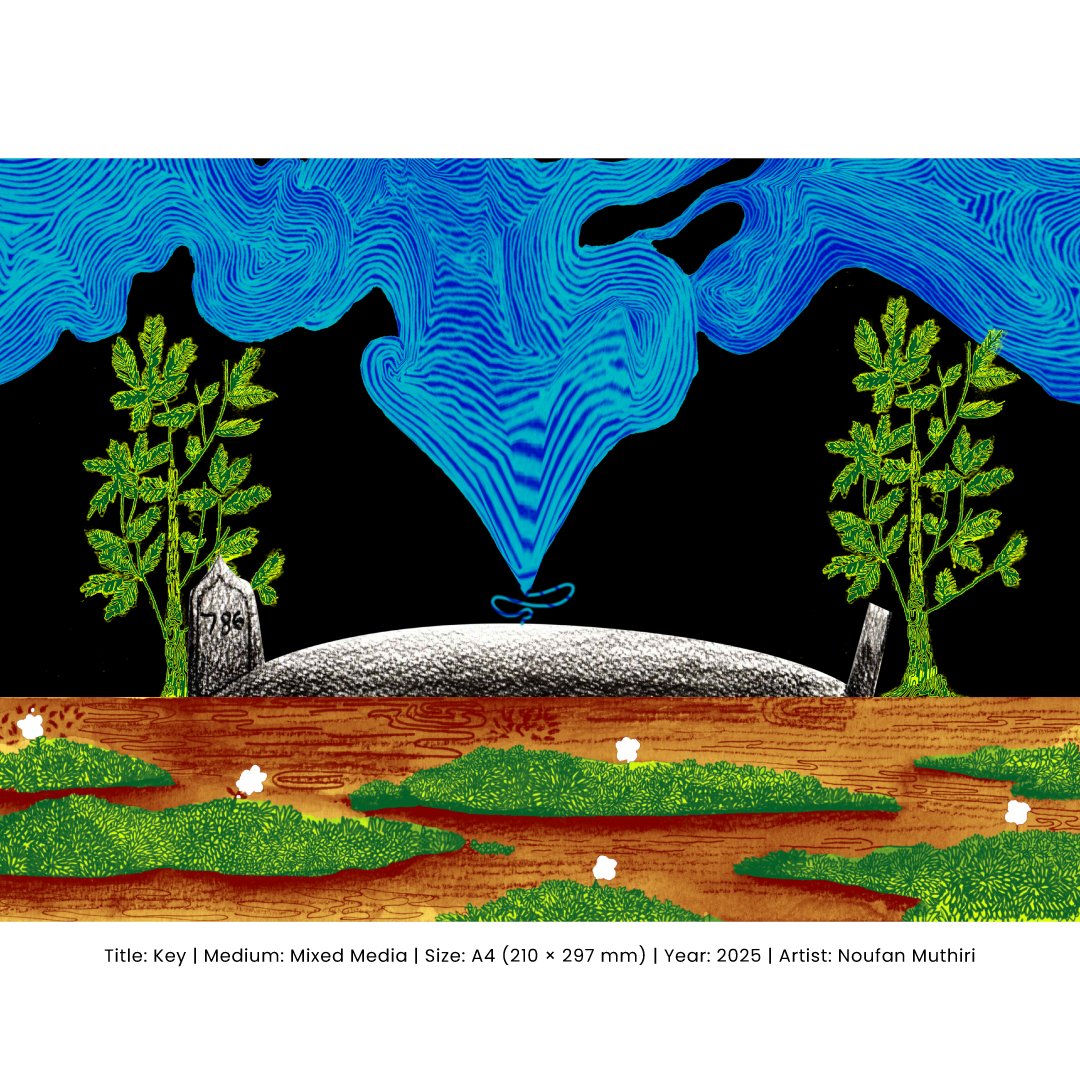
Spatial Geometry & Typography Monograph
Illustration & Spatial
Spatial Narrative V
Illustration.jpg)
Vector Form & Micro-Typography
Illustration & Poster